
Home-Based Medical Services in
Salt Lake County




Frequently Asked Questions
-
Dvora Healthcare provides physician-led Primary Care, Chronic Care Management, Palliative Care, and Transitional Care services throughout Salt Lake County. Our providers deliver care directly in patients' homes, assisted living communities, memory care settings, and other residential environments. We focus on improving health outcomes, reducing avoidable hospitalizations, and creating personalized care plans that support long-term wellness.
-
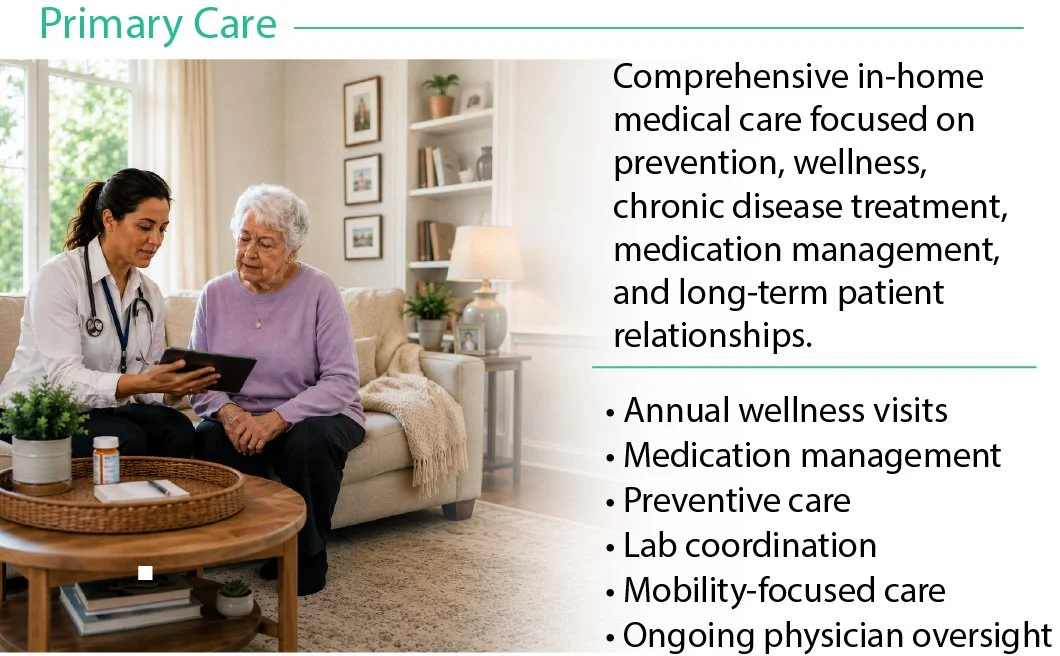
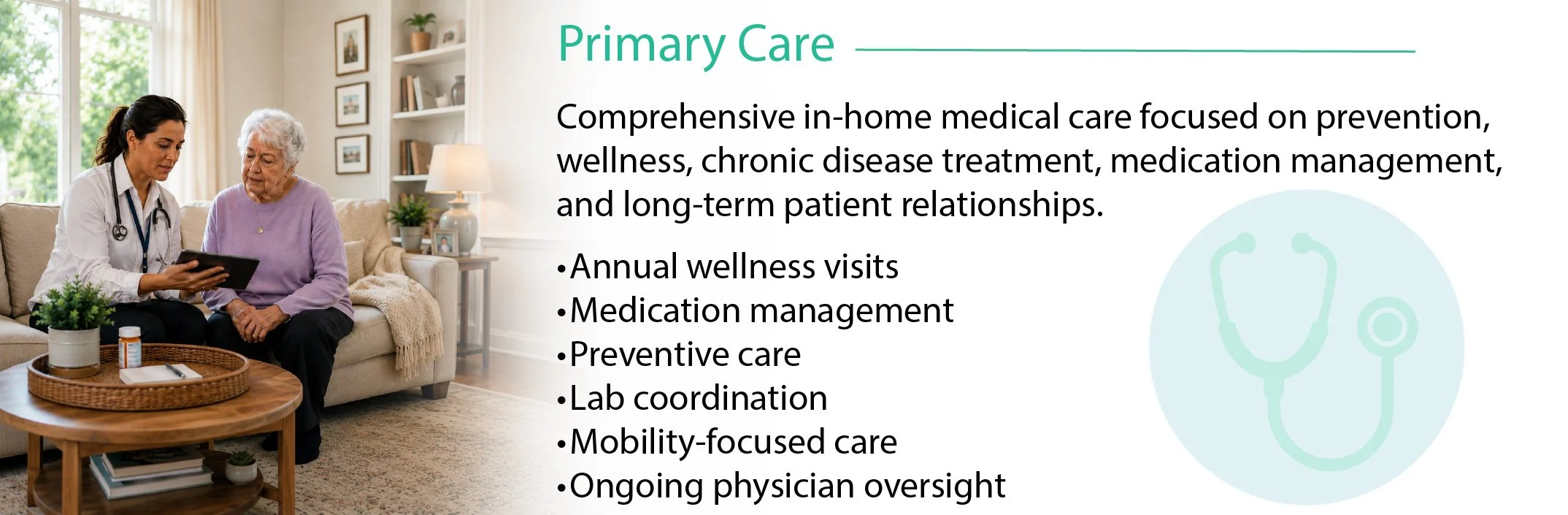
Home-based primary care brings comprehensive medical care directly to patients where they live. Dvora Healthcare provides preventive care, wellness visits, chronic disease management, medication oversight, and ongoing medical support without requiring patients to travel to a traditional clinic. This model helps improve access to care while supporting independence and quality of life.
-
Home-based medical care may benefit seniors, individuals living with chronic illnesses, patients with mobility limitations, residents of assisted living communities, and those recovering after a hospitalization. Dvora Healthcare works with patients throughout Salt Lake County who can benefit from physician-led care delivered directly in the home.
-
Yes. Dvora Healthcare provides physician-led care in assisted living communities, memory care communities, independent living environments, and private residences throughout Salt Lake County. Our goal is to bring coordinated healthcare directly to patients wherever they call home.
-
Dvora Healthcare currently serves patients throughout Salt Lake County, Utah. Services are delivered directly in homes and residential care settings, making healthcare more accessible for patients who benefit from physician-led care in their own environment.
-
Referrals can be submitted by physicians, hospitals, case managers, skilled nursing facilities, assisted living communities, caregivers, family members, or patients themselves. Once a referral is received, our team reviews eligibility, coordinates care needs, and works to ensure a smooth transition into services.
-
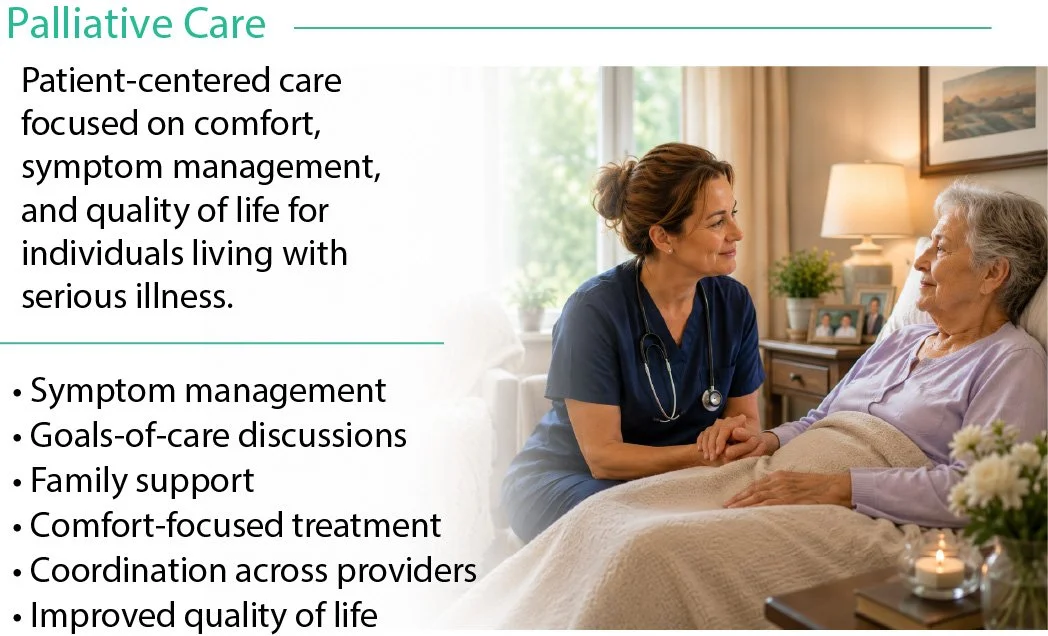
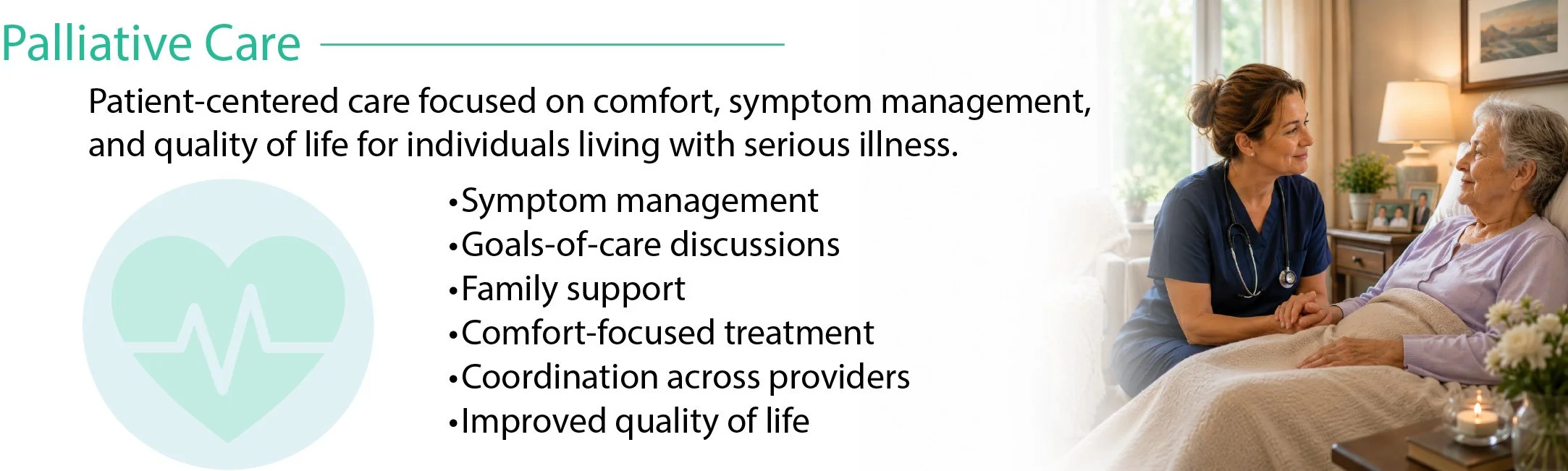
Palliative Care focuses on improving quality of life for individuals living with serious or complex medical conditions. Services may include symptom management, care planning, medication review, emotional support, and coordination between healthcare providers. The goal is to help patients feel more comfortable while receiving care aligned with their personal goals.
-
Palliative Care can be provided alongside ongoing medical treatments and is appropriate at any stage of a serious illness. Hospice Care is typically reserved for patients facing a life-limiting illness who are no longer pursuing curative treatment. Dvora Healthcare's Palliative Care services focus on symptom relief, quality of life, and care coordination while allowing patients to continue receiving other medical services.
-
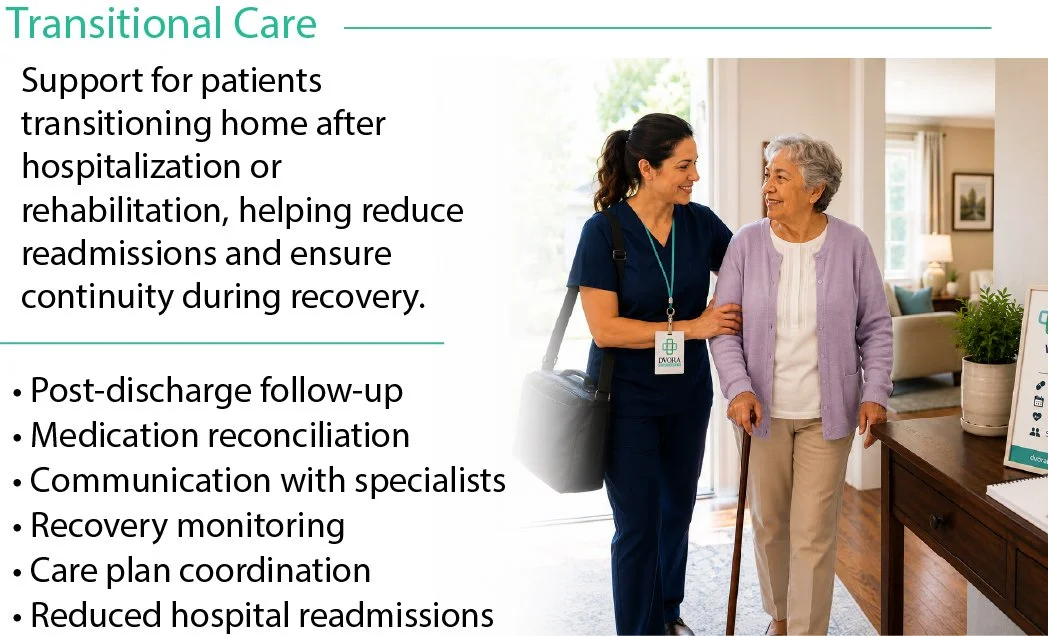
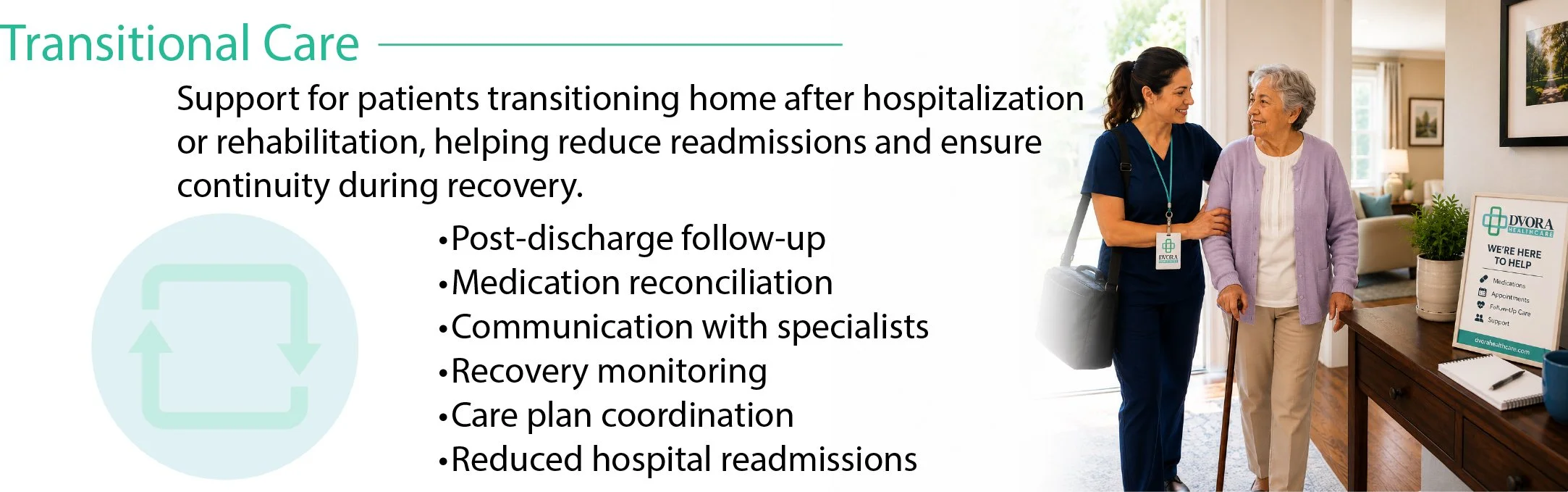
Transitional Care Management helps patients safely transition from the hospital, rehabilitation facility, or skilled nursing facility back to their home. Services include medication review, follow-up visits, care coordination, and communication with providers to reduce complications and avoid unnecessary readmissions.
-
The days immediately following a hospital discharge are often the highest-risk period for complications and readmissions. Transitional Care services help ensure patients receive timely follow-up, medication review, and coordinated support to promote a safe recovery and improve long-term outcomes.
-
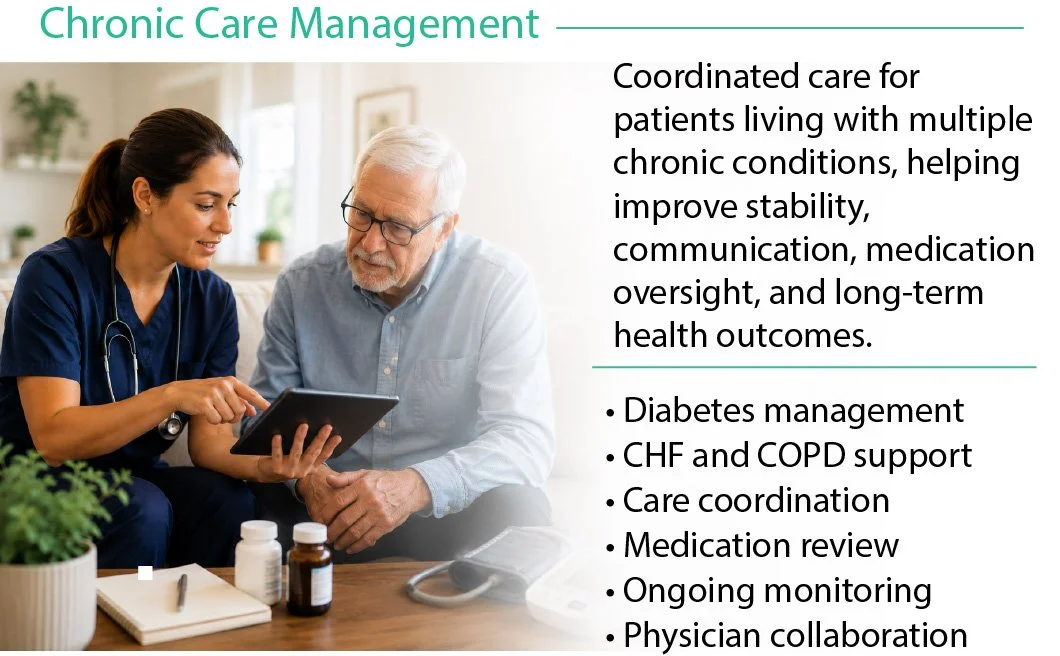
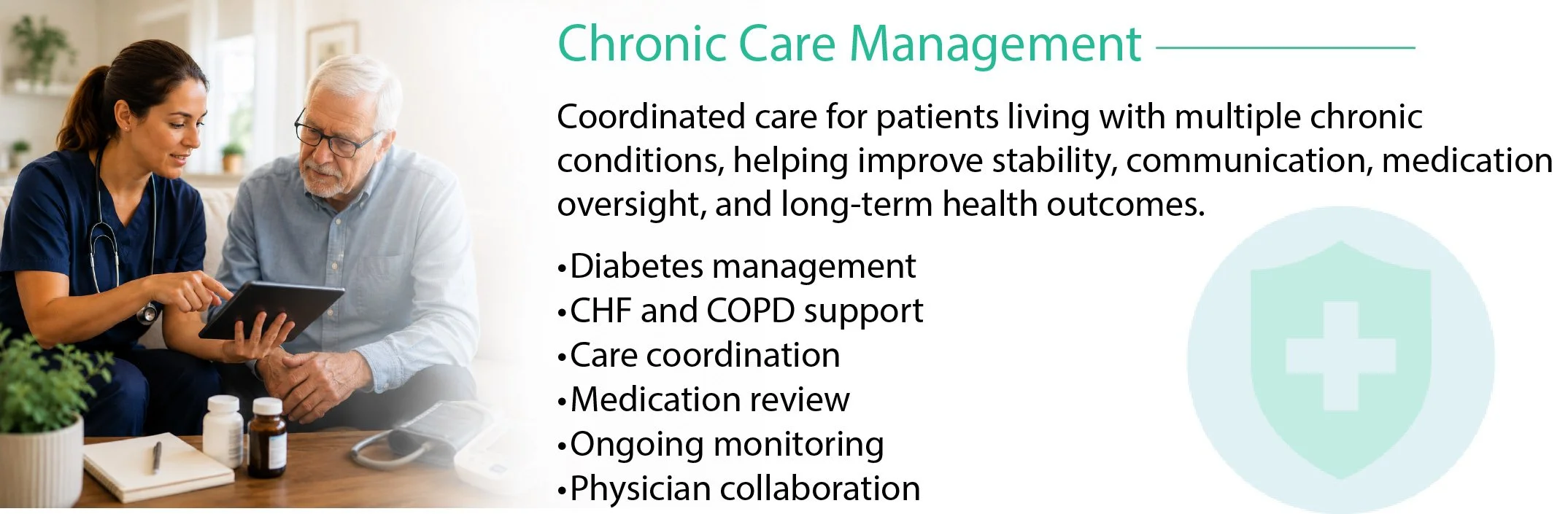
Chronic Care Management provides ongoing support for patients living with conditions such as diabetes, heart failure, COPD, hypertension, kidney disease, and other long-term health concerns. Services may include care coordination, medication management, health monitoring, communication with specialists, and proactive interventions designed to improve outcomes and reduce hospitalizations.
-
Yes. Chronic Care Management focuses on early intervention, medication oversight, symptom monitoring, and ongoing communication between patients and providers. By addressing concerns before they become emergencies, patients often experience fewer emergency room visits and avoidable hospital admissions.